
Is Uji Matcha the Best? Japan's Matcha Regions Compared
Uji matcha is matcha sold under the name of the Uji tea region south of Kyoto. According to Japan's Ministry of Agriculture, Uji tea covers leaves from Kyoto, Nara, Shiga or Mie that companies in Kyoto finish using the method that began in Uji, so the tea need not come from the city of Uji. Kagoshima now produces the most tencha, the leaf matcha is ground from, and origin alone does not decide what makes a good matcha.
What is Uji matcha?
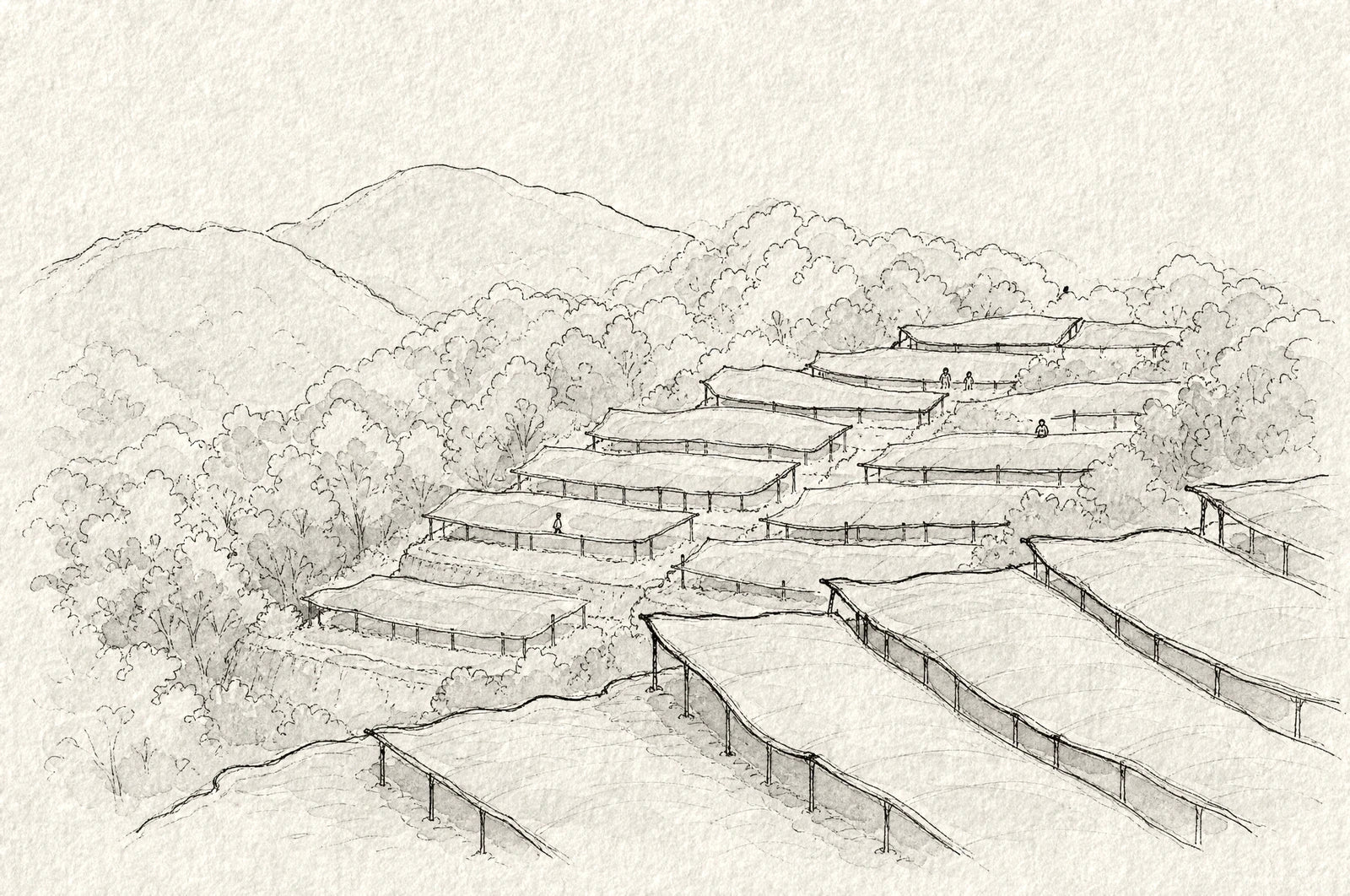
Uji lies in the south of Kyoto Prefecture. The Ministry of Agriculture describes it as a tea area with fertile, well-drained soil and plenty of rain. In the 16th century it gave rise to shaded cultivation, where tea plants stand in shade before the harvest.
"Uji" names a tea region and the way its tea is finished, not the address of a field. Leaves from other parts of Kyoto, or from Nara, Shiga and Mie, can count as Uji tea if a company in Kyoto finishes them.
There is also a narrower meaning. As "Uji Tencha", Japan's patent office has registered only tencha grown in the cities of Uji and Jōyō under double shade and picked by hand in the first harvest.
Which regions of Japan grow matcha?
Matcha from Japan comes mainly from five prefectures. Kagoshima, Kyoto and Shizuoka lead in tencha, and in the 2023 harvest Aichi and Mie followed.
| Prefecture | Tencha 2023 | Share | Known for |
|---|---|---|---|
| Kagoshima | 1,585t | 38% | No. 1 for tencha (2025), the earliest new harvest from the end of March |
| Kyoto | 970t | 23% | No. 2 for tencha (2025), home of Uji |
| Shizuoka | 505t | 12% | Japan's largest tea-growing area (11,600ha), No. 3 for tencha (2025) |
| Aichi | 365t | 9% | in the city of Nishio, over 96% of tea is tencha |
| Mie | 314t | 8% | third-largest tea-growing area (2,580ha), leaves may be finished as Uji tea |
Tencha by prefecture, 2023 harvest, from Japan's Ministry of Agriculture, Forestry and Fisheries, with features as of 2025. Figures cover the whole prefecture, so Aichi is not only Nishio, and Kyoto is not all four prefectures of Uji tea. The Nishio figure comes from the Nishio tourism association.
Two more regions are known for other teas. Fukuoka, with the city of Yame, is known as the home of gyokuro, another shaded tea that is brewed as whole leaf, and is protected in Japan as a geographical indication for it (since 2015). Miyazaki ranks first in Japan for kamairicha, a green tea pan-fired in a wok.
How did Kagoshima become Japan's biggest tencha producer?
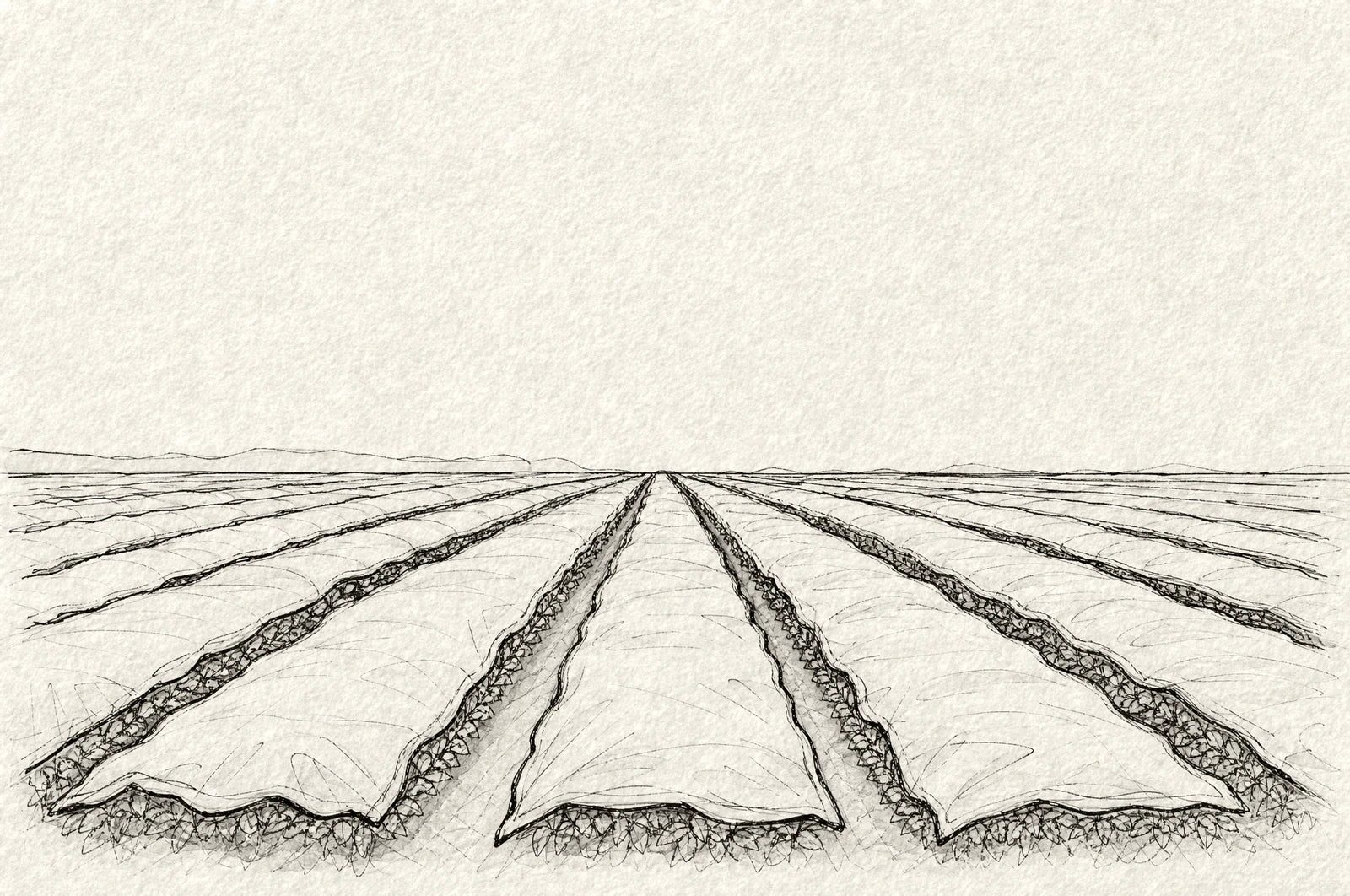
Kagoshima matcha comes from the prefecture that, according to the Ministry of Agriculture, produces the most tencha in Japan. For all tea combined, Kagoshima was first in the 2024 and 2025 harvests, for the first time since records began. In planted area, Shizuoka stays first with 11,600ha.
The ministry describes the route as a switch. More and more farms in Kagoshima are moving from sencha, the rolled green tea, to tencha. Nationwide, about 80% of the new plants for raw tea, tea that is not yet finished, that the state supported in fiscal 2022 and 2023 were tencha plants. Japan's tencha output was 6,278t in 2025, about 3.2 times that of 2014.
Then there is the terrain. According to the ministry, the adoption rate of ride-on tea-picking machines is 99.0% in Kagoshima, 96.9% in Shizuoka and 22.9% in Kyoto (all tea, fiscal 2025, not just tencha). The ministry points to flat land in Kagoshima and, in Kyoto, to small fields in hill country and steep slopes. According to the ministry, a farm in Kagoshima manages 4.3ha of tea on average, in Kyoto 1.7ha (2025). Kagoshima has a lot of flat land, and ride-on picking machines are widespread there. A tea company in Kagoshima writes on its English page that the gently rolling terrain of the Osumi region suits mechanisation.
Season is part of Kagoshima's story too. The new harvest starts there as early as the end of March, earlier than anywhere else in Japan.
According to a tea house in Kyoto, new tea fields can be harvested after five years at the earliest, and that is one of the reasons for shortage and rising prices.
Is Uji matcha the best?
The name alone does not decide it. Uji has good conditions for tencha, but Uji matcha is not automatically better than Kagoshima matcha or Shizuoka matcha. Uji vs Kagoshima matcha is not a ranking, because the place name settles little.
A tea house in Uji describes it in two steps. First come the strengths. Uji has made tencha for a long time, it says, and climate, soil and a high share of hand-picked tencha yield expensive raw material of high quality. Many gardens there train the bushes in their natural shape, without cutting the branches into a flat surface, and pick by hand.
Then the same tea house names the limit. Other regions have caught up in growing and processing, and origin alone no longer works as the yardstick. A matcha from Kyoto does not automatically taste better.
Matcha is also rarely sold as a single cultivar. For a good balance of taste, aroma and colour, a tea house usually blends its raw material.
Ceremonial grade describes a purpose and Uji the name of a tea region. With a ceremonial matcha from Uji, neither name alone tells you what the leaf is like.
Does matcha taste different from region to region?
Yes, and the place shapes the taste, though not on its own. Region, cultivar, shading and blending work together, and there is no ranking among the four.
A place name therefore says little. Uji tea can contain leaves from four prefectures, and even within one prefecture several cultivars grow. In Shizuoka the cultivar Yabukita makes up 86%. In Kagoshima the shares are split between Yabukita (28%), Yutakamidori (26%) and Saemidori (16%), and in Kyoto Yabukita leads with 49%, followed by Okumidori (13%) and Samidori (10%). These are the Ministry of Agriculture's figures for 2025 and for all tea, not just tencha.
Reading how matcha tastes from the place on a tin is therefore hard. A tea house also blends to reach the same taste every year, and the character of a single region comes through more easily in a single origin. Neither is better or worse.
Our Okumidori is a single origin from Kagoshima made from the cultivar of the same name. It ripens late and, according to the ministry, makes up 4% of the cultivar mix in Japan.
What does "Uji matcha" on the pack actually tell you?
At Japan's patent office, "Uji tea" and "Uji matcha" are registered as regional collective trademarks, marks held by a group of businesses. The definition is the one from the first section, leaves from four prefectures finished in Kyoto. The narrower registration "Uji Tencha" exists as well.
In July 2026 the Ministry of Agriculture also entered "Nihon Cha" in its register as a geographical indication. It covers tea made from Japanese leaves and processed in Japan, and the protected names include "Nihon Cha" and "Japanese Tea". The indication applies to Japanese tea as a whole and does not protect "Uji" on its own, because neither "Matcha" nor "Uji" is among the protected names.
The same ministry gives, as an example of intellectual property infringement, matcha from China circulating under the name "Uji matcha", and such cases are increasing.
On the pack, only the country of origin can be checked with certainty. From Japan does not mean from Uji, and which prefectures the leaves come from often does not show. If you want to know, look at the maker or importer and ask the seller where the leaves come from and where the tea was finished.
Where does MOKU-AN's matcha come from?
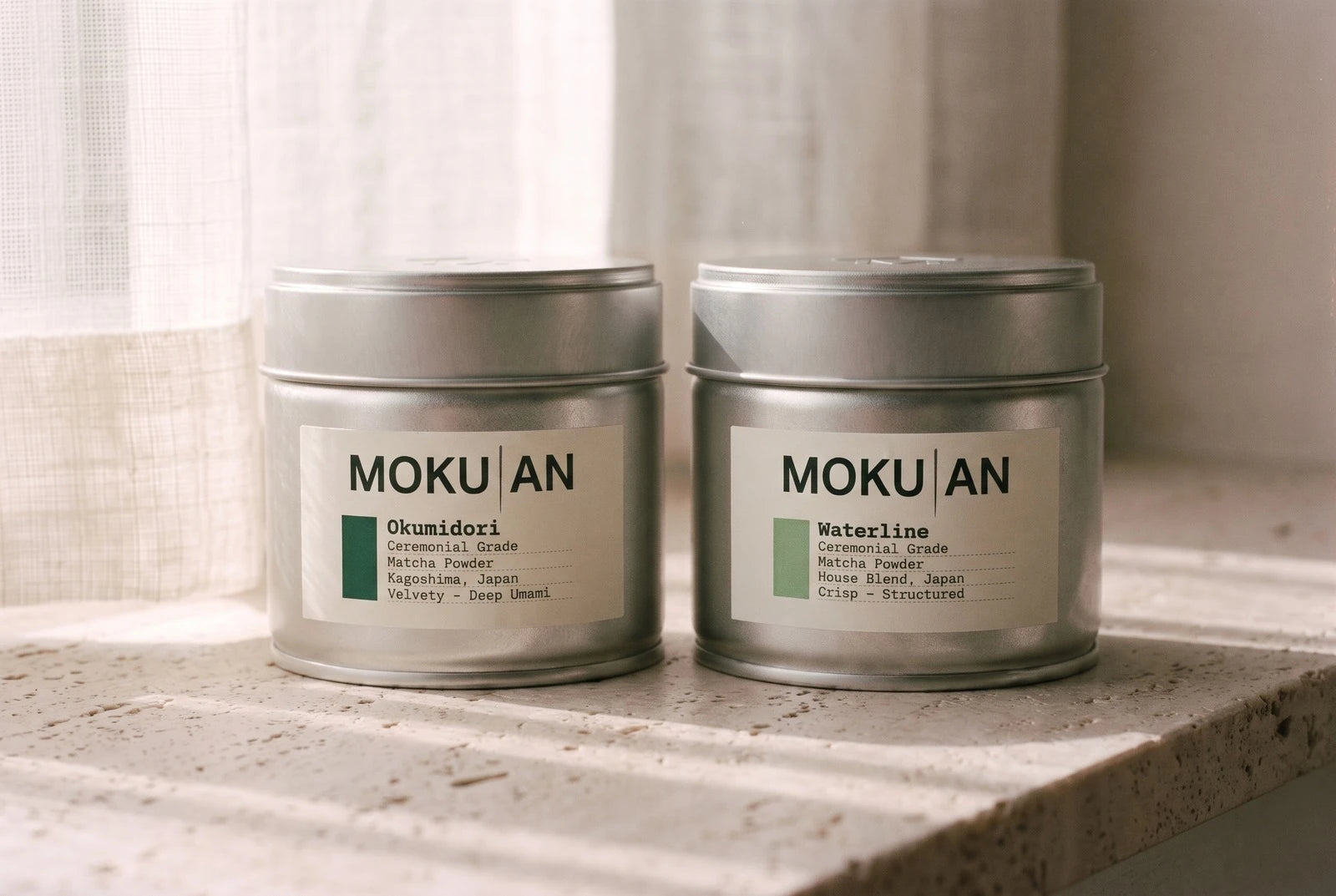
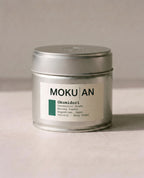
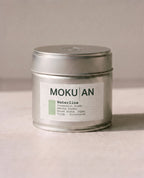
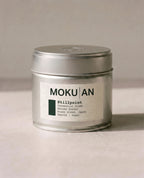
Our matcha does not come from Uji. Waterline and Stillpoint are house blends of leaves from Kagoshima, Shizuoka and Miyazaki, put together by a tea wholesaler in Shizuoka. Okumidori is a single origin from Kagoshima.
The wholesaler chose the regions for the blends because it wanted to reach the best taste with their leaves.
Single origin and blend side by side
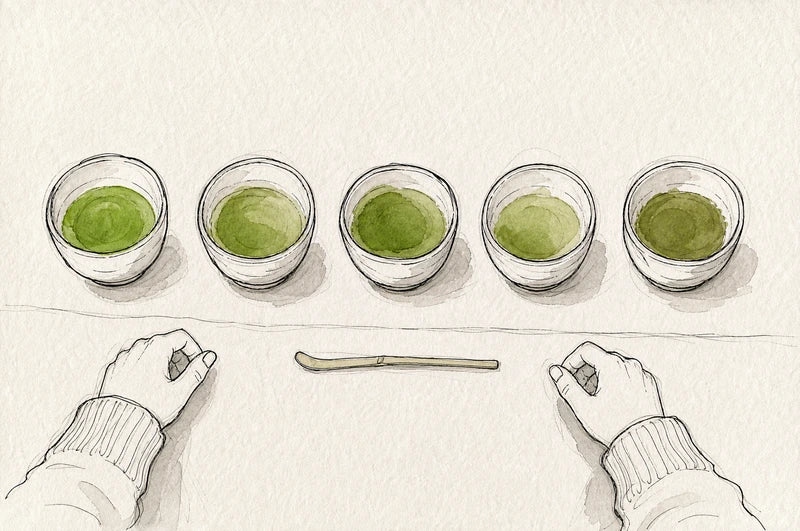
We drank Okumidori and Waterline side by side, both prepared the same way with 2g in 60ml of water at 80°C and 15 seconds of whisking in an M shape. Okumidori tastes mild and soft, has umami and is easy to drink. Waterline has umami as well, but tastes bolder, with more bite.
So we compared two teas that differ in more than region. Okumidori comes from one region and one cultivar, Waterline from several regions in a blend.
Whether from Uji, Kagoshima or Shizuoka, every matcha is in the end ground tencha from shaded leaves, and origin is one clue among several.
FAQ
Are Uji and matcha the same?
No. Uji is a place name, and Uji tea is the name of a tea region together with the way its tea is finished, which includes green teas other than matcha. Matcha, by contrast, is a type of tea, ground tencha, and it also comes from other regions.
Where are Japan's largest tea-growing regions?
By volume Kagoshima (30,000t of raw tea) and Shizuoka (24,100t) lead, and by area Shizuoka with 11,600ha (Ministry of Agriculture, 2025). For tencha, the raw material for matcha, Kagoshima ranks first.
What is Nishio matcha?
Nishio matcha comes from the city of Nishio in Aichi Prefecture. According to the Nishio tourism association, over 96% of the tea there is tencha, so the area specialises in matcha. All of Aichi supplied 9% of Japan's tencha in 2023, according to the Ministry of Agriculture.
What is Kagoshima matcha?
Kagoshima matcha comes from the prefecture that produced the most tencha in Japan in 2025. The new harvest starts there at the end of March, earlier than anywhere else in Japan. Early and late ripening cultivars grow there, and on the flat fields riding picking machines are widespread.
All articles on matcha knowledge
 What is matcha? What it's made of, origin and typesMatcha is shade-grown green tea, ground whole. Where it is grown, how it differs from sencha and what usucha and koicha are.
 What does matcha taste like? Matcha taste in four wordsWhat matcha tastes like, savoury first, then a short bitter edge and a faintly sweet finish. Four words for any cup, and why it turns bitter or fishy.
 What is ceremonial grade matcha? How Japan judges qualityCeremonial grade matcha is a trade term for matcha to drink on its own, not a Japanese grade. How tea houses in Japan judge quality and when to pay more.
 Matcha caffeine per bowl and latte, compared with coffeeA 2g bowl of matcha holds about 64mg of caffeine. A 3g latte comes to about 96mg. How that compares with coffee and green tea, and what EFSA says per day.
 How to store matcha, fridge or cupboard, and does it go bad?Store opened matcha airtight, dark and cool in a cupboard, not the fridge. What Japanese tea houses advise, and what the best before date really means.
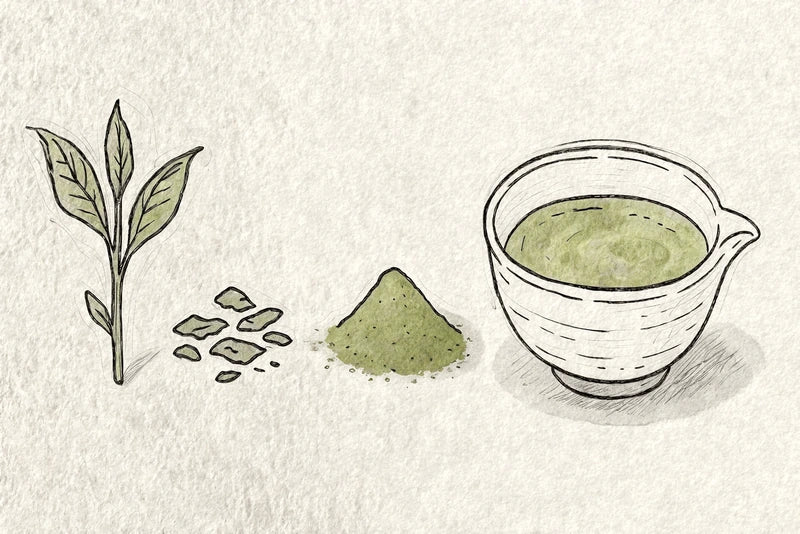 How is matcha made? 8 steps from shaded field to powderMatcha comes from shaded tea leaves, steamed, dried without rolling as tencha and finely ground. How matcha is made, step by step, with figures from Japan.