
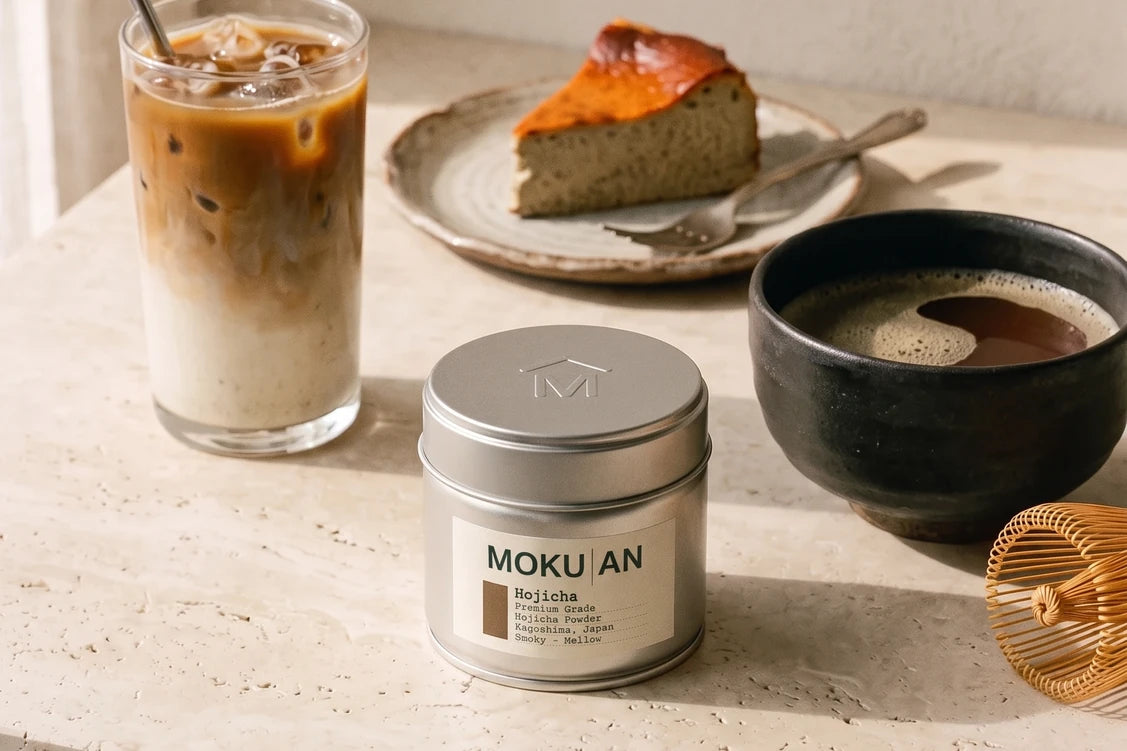
Hojicha latte recipe, hot or iced, with powder or leaf
For a hojicha latte, whisk 3g of hojicha powder with 60ml of water at 80°C in a bowl and add 60ml of warm milk. That way the roast still comes through the milk. For an iced latte, pour the hojicha over 60ml of cold milk and ice.
Hojicha is a roasted green tea from Japan, and because MOKU-AN hojicha is ground as fine as matcha, the latte takes the same steps.
How to make a hojicha latte, step by step
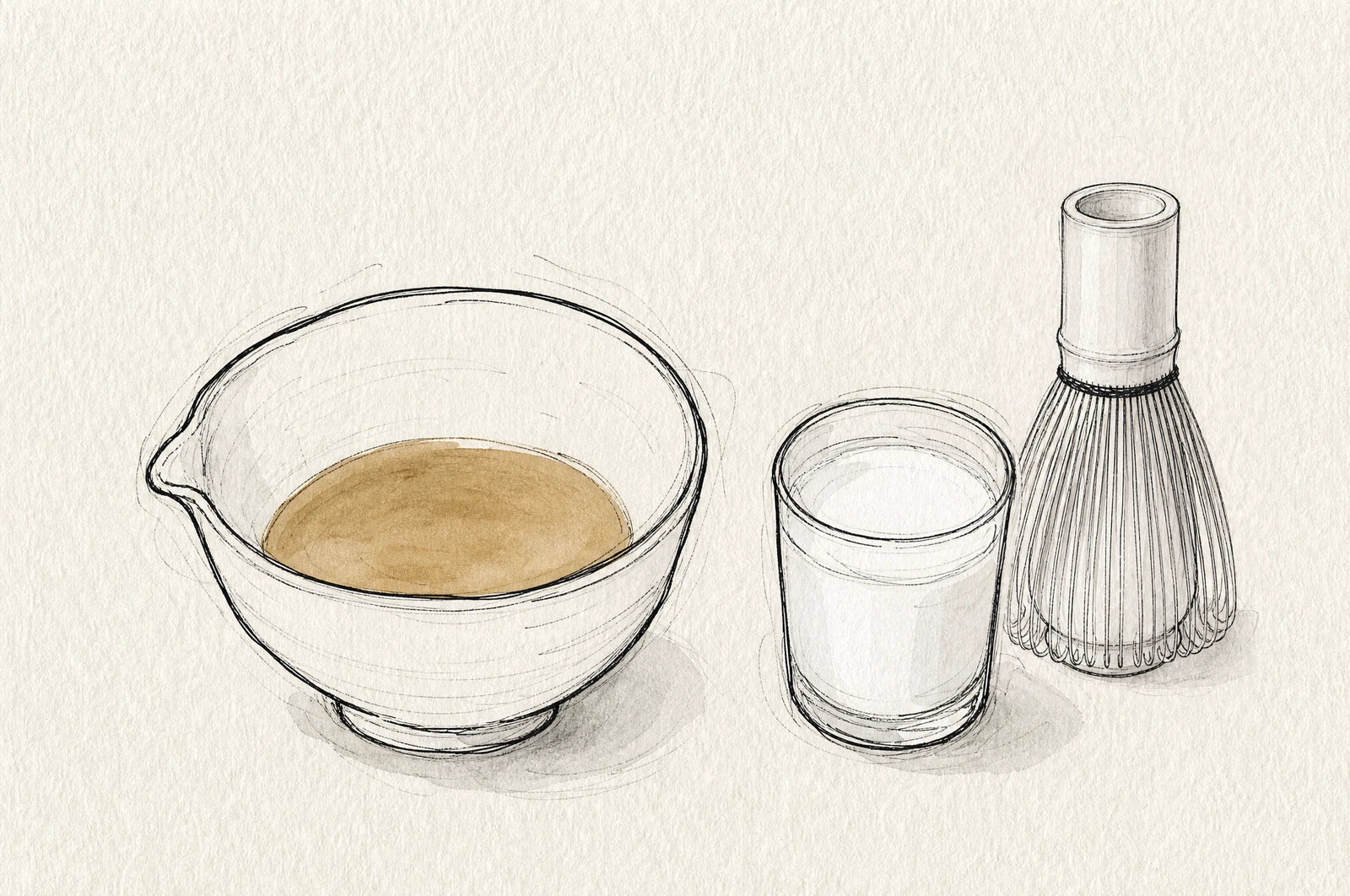
Here is what you need for one serving.
| Ingredient and tools | Amount |
|---|---|
| Hojicha powder | 3g, about 1½ level teaspoons |
| Water, boiled and left for a minute (about 80°C) | 60ml |
| Milk or plant milk, warmed | 60ml |
| Tools | Bowl, bamboo whisk, tea strainer |
- Sift. Push the 3g of hojicha powder through the tea strainer into the bowl so no small lumps are left.
- Add the water. Pour in 60ml of water at about 80°C. Boiled and left for a minute is enough.
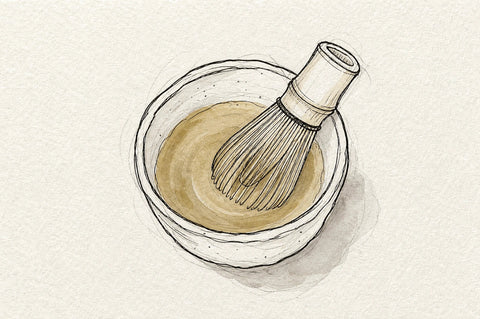
- Whisk. Whisk for 15 seconds in an M shape, just like matcha, until the foam closes over the surface.
- Add the warm milk. Warm 60ml of milk or plant milk and pour it slowly into the whisked hojicha. To sweeten, stir a little syrup into the milk first.
Whisked in water first, the roasted powder turns smooth and foamy, while stirred straight into milk it leaves small brown lumps. For a hot latte, the warm milk goes into the whisked hojicha, just as in a classic matcha latte, and only the iced latte starts with the milk in the glass.
How many grams of hojicha powder per cup?
For a latte, use 3g instead of 2g. A bowl of hojicha on its own works with 2g in 60ml of water. In a latte the milk softens the flavour, so a little more powder helps.
| Drink | Hojicha powder | Water (80°C) | Milk |
|---|---|---|---|
| Hojicha on its own | 2g | 60ml | none |
| Hojicha latte | 3g | 60ml | 60ml |
3g is about 1½ level teaspoons. MOKU-AN uses the same 3g for all matcha recipes with milk.
With hojicha powder or loose leaf?
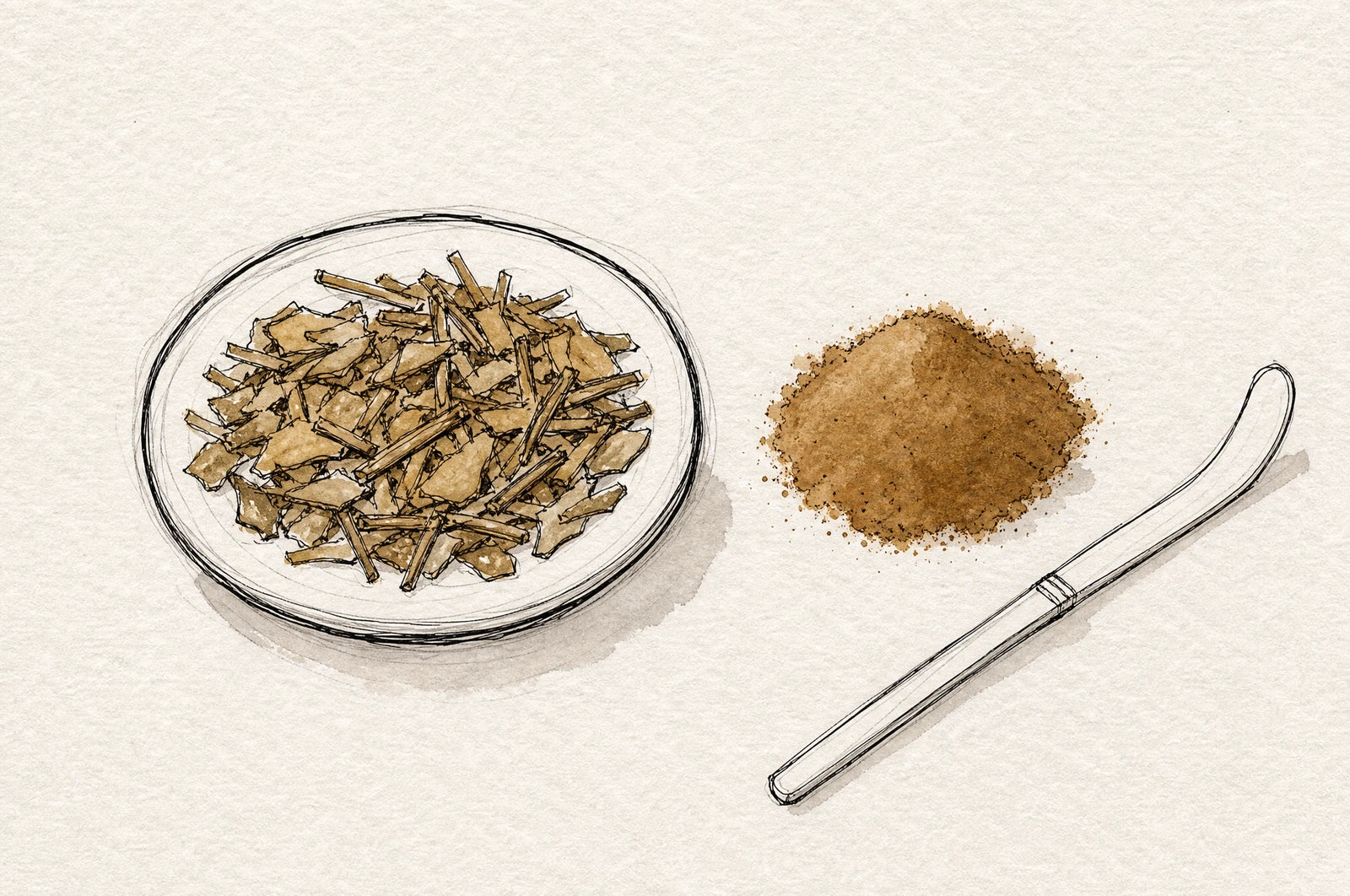
Both work, but with powder you need neither a teapot nor steeping time. In Japan hojicha is mostly brewed as loose leaf in a teapot. Leaf needs boiling water, but you whisk the powder at 80°C, because you drink the whole leaf.
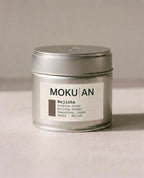
With loose-leaf hojicha, pour the brew through a strainer into a cup and add the warm milk afterwards. MOKU-AN hojicha powder is a single origin from Kagoshima and is whisked like matcha.
What does a hojicha latte taste like?
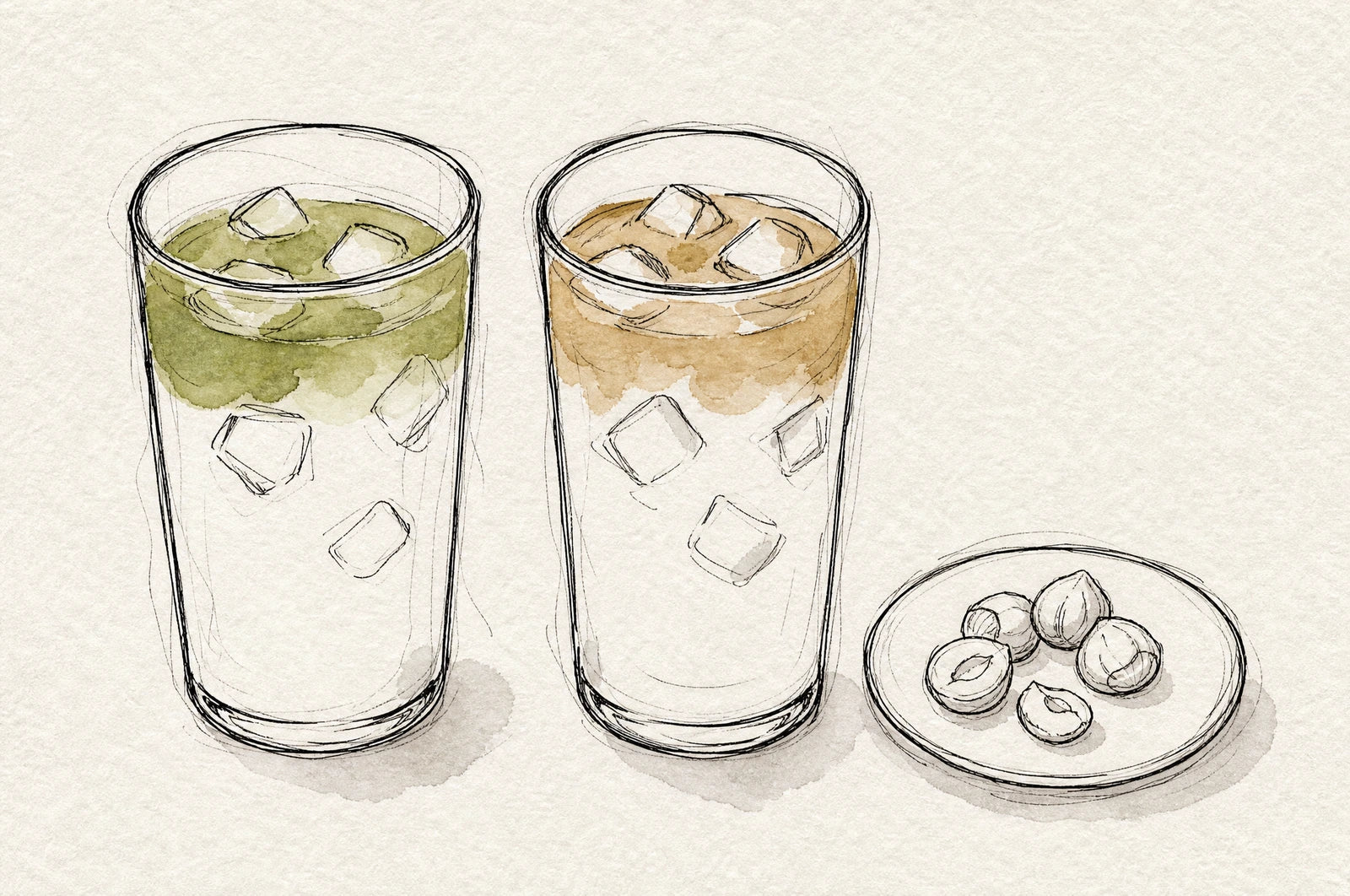
A hojicha latte tastes roasty and warm, with no sweetness of its own, and the roast carries through the milk. Roasted hazelnuts and toast come closest. There is little bitterness.
A matcha latte, by contrast, keeps its umami and bitterness, which is what matcha tastes like. Neither is better. They simply taste different.
How roasty a hojicha latte tastes depends on the roast level of the powder. A tea wholesaler in Shiga makes hojicha powder in three roast levels, from mild and barely bitter to twice roasted, with a scent of chocolate and more body.
Our hojicha is deeply roasted.
Hojicha has very little caffeine, clearly less than matcha. In Japan it is also drunk late in the evening.
Iced hojicha latte recipe
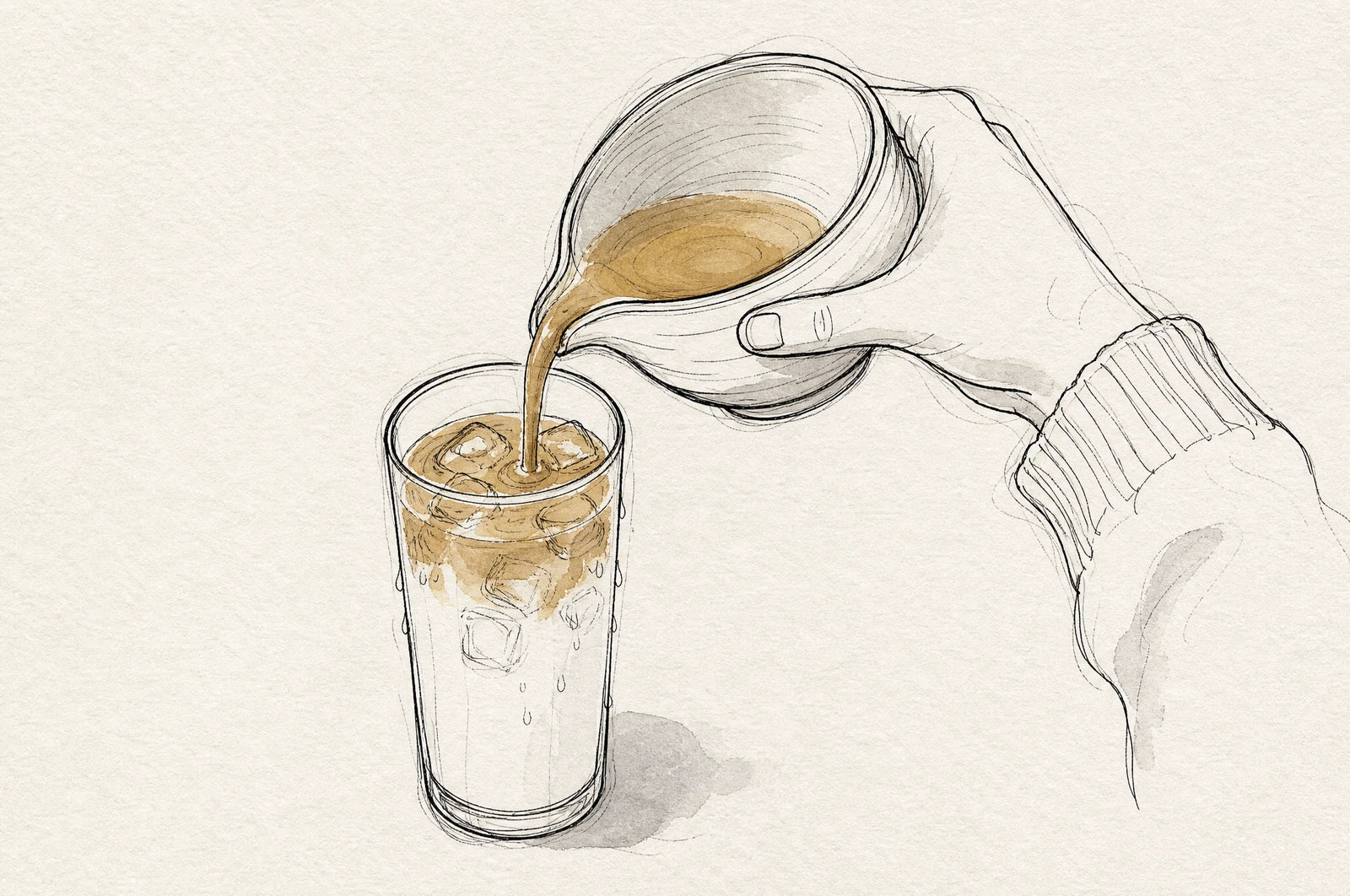
Even over ice, you whisk the hojicha with water at 80°C and pour it over the cold milk only afterwards. For the iced latte the milk goes into the glass first.
| Ingredient and tools | Amount |
|---|---|
| Hojicha powder | 3g, about 1½ level teaspoons |
| Water, boiled and left for a minute (about 80°C) | 60ml |
| Cold milk or plant milk | 60ml |
| Ice cubes | as needed |
| Tools | Bowl, bamboo whisk, tea strainer, glass |
- Sift. Push the 3g of hojicha powder through the tea strainer into the bowl.
- Add the water. Pour in 60ml of water at about 80°C.
- Whisk. Whisk for 15 seconds in an M shape.
- Prepare the glass. Fill the glass with ice and add 60ml of cold milk or plant milk.
- Pour the hojicha on top. Pour the whisked hojicha slowly from the bowl over the ice and milk.
Without milk, whisk 2g of powder with 60ml of water at 80°C and pour the hojicha over ice, and you have iced hojicha, the way it is drunk chilled in Japan to quench the thirst.
FAQ
What milk goes best in a hojicha latte?
With hojicha we like soy milk best. It gives the latte a slightly firmer taste. Dairy milk makes it soft and sweet, oat sits in between. Almond and coconut milk bring their own aroma. The same differences apply to the milk for a matcha latte.
Do you need to sweeten a hojicha latte?
No. The roast brings warmth but no sweetness, and the light sweetness in the glass comes from the milk. If you like it sweeter, stir a teaspoon of maple syrup or honey into the milk beforehand.
Can you make a hojicha latte without a whisk?
Yes, the MOKU-AN Matcha Shaker shakes hojicha powder to a foam without any practice. A milk frother works too, with the same moves you use to whisk matcha without a bamboo whisk.